Still have a question? Ask your question here
Hardcover
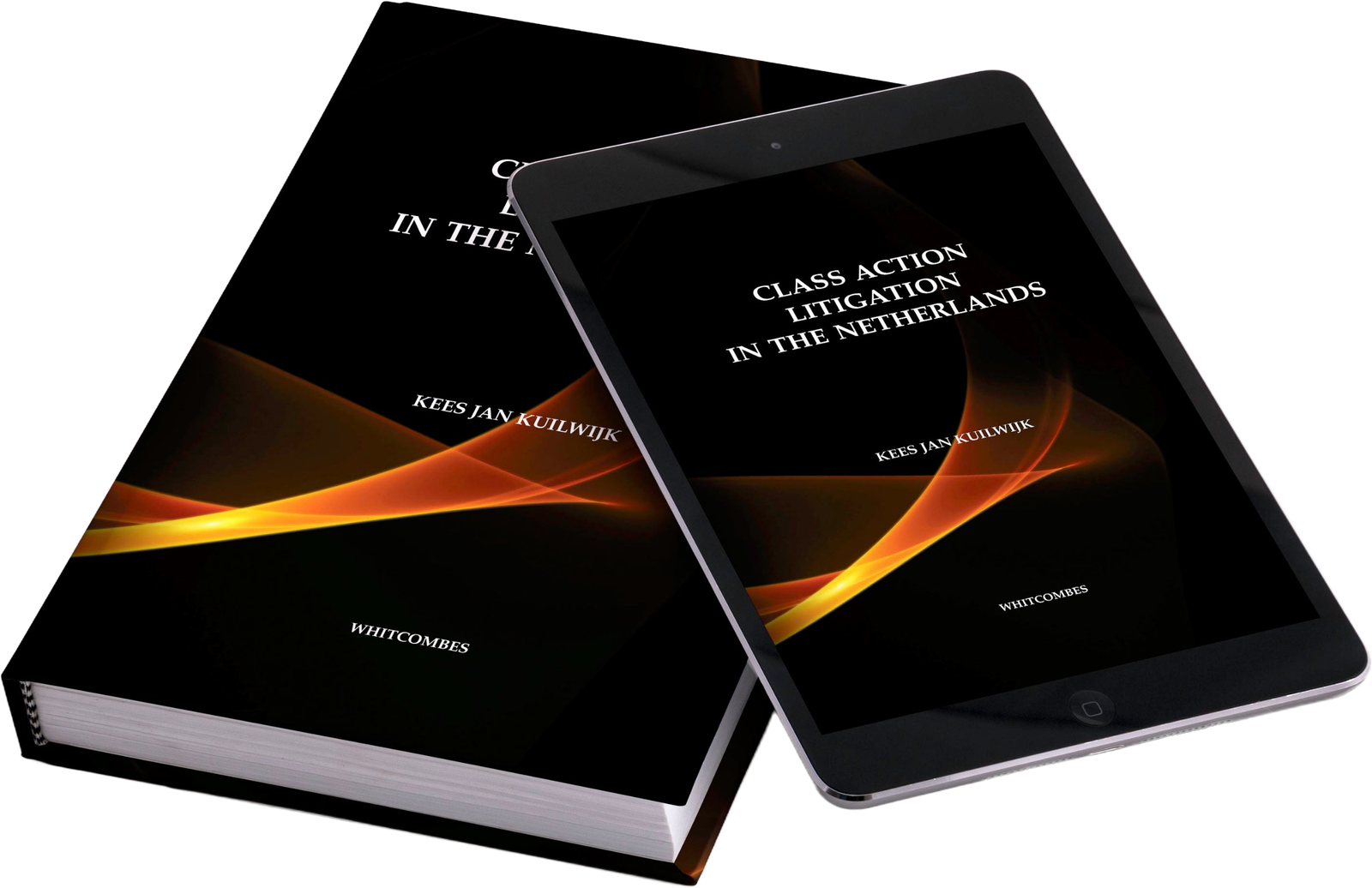
A professionally bound print edition for readers who prefer a physical book, ideal for libraries, legal practitioners and academic collections.


How class action litigation and collective redress work under Dutch law: jurisdiction, admissibility, funding, damages and settlement under the WAMCA, with all the case law to date.
From Airbus and Stellantis to Apple, Google and TikTok, the leading judgments analysed systematically and in context.
Aggregate damages, cartel overcharges, pass-on and non-material harm under Article 82 GDPR, with practical approaches to quantification.
What representative organisations must establish before reaching the merits, and why satisfying these requirements has proved difficult.
Dutch collective redress compared systematically with UK Competition Appeal Tribunal proceedings and American class actions across key dimensions.
Funder control, disclosure, permissible returns, cost recovery from defendants and the limits established by Dutch judicial practice.
Comprehensive tables of cases and legislation, a detailed index and an English translation of the WAMCA provisions.
How Dutch class action litigation works, why it matters, and what distinguishes it from other legal systems.
When a company overcharges a million people by twenty euros each, no one sues. Individual claims are too small to justify litigation, allowing companies to retain millions in unlawful profits without ever being held accountable for their conduct. Collective redress closes that gap. Since 2020, the WAMCA has made the Netherlands one of the leading European forums for collective damages claims.
This book explains how the WAMCA operates in practice, from jurisdiction, applicability and commonality to admissibility, litigation funding and damages. It examines the independence, expertise and representativeness required of claimant organisations, the permissible influence and remuneration of funders, and the quantification and distribution of compensation to class members.
Comparison with the United Kingdom and United States reveals the distinctive character of Dutch collective redress. Claims are pursued by non-profit organisations subject to judicial supervision, rather than entrepreneurial lawyers. Dutch courts scrutinise governance, independence, representativeness and funding arrangements at the outset, before examining the merits of the collective claim.
The 536-page book is available in three editions, allowing readers to choose between a traditional hardcover, a digital edition and a regularly updated reference work.
A professionally bound print edition for readers who prefer a physical book, ideal for libraries, legal practitioners and academic collections.
The complete book in digital format, offering convenient access to its analysis, case law and references wherever you work.
A maintained edition, updated every three months to reflect new judgments, legislative developments and changes in Dutch collective redress.
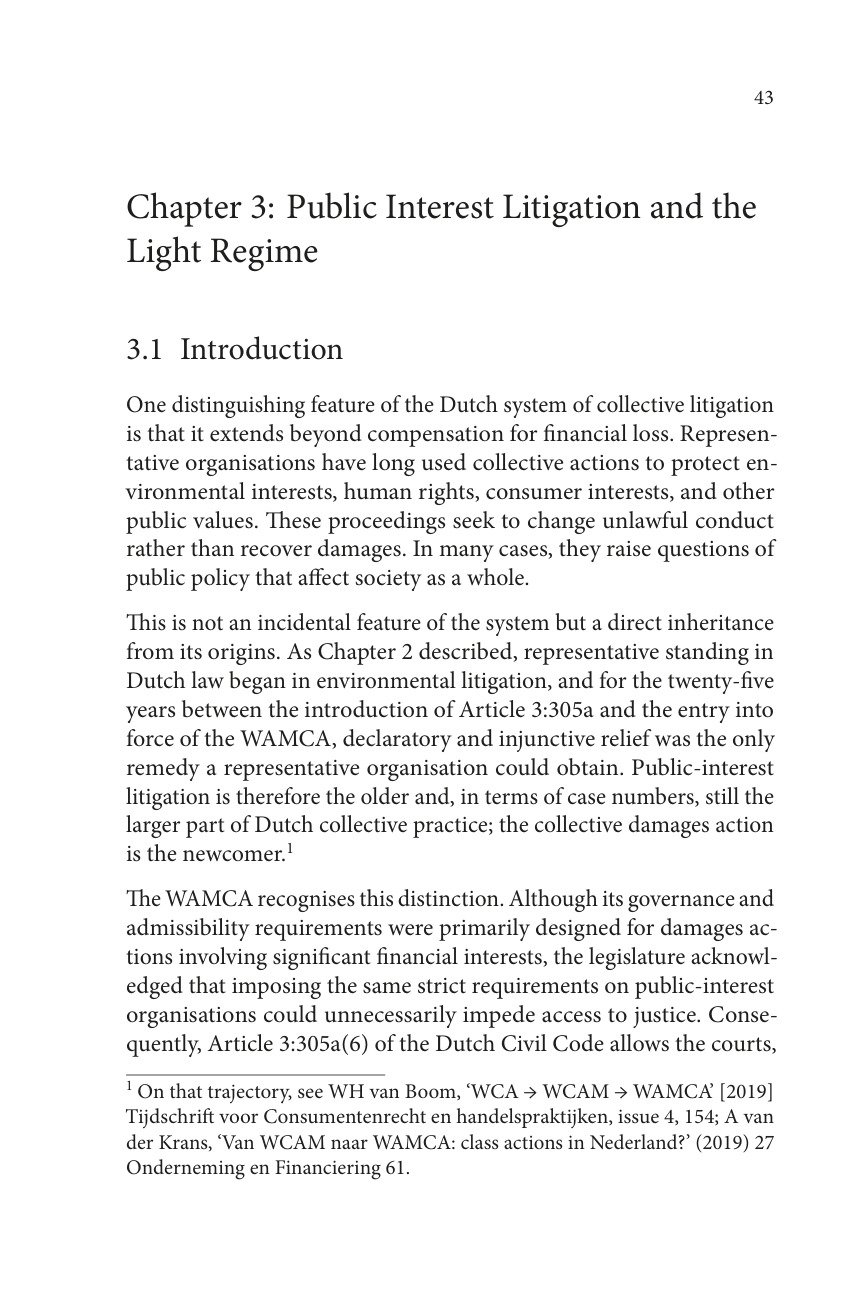
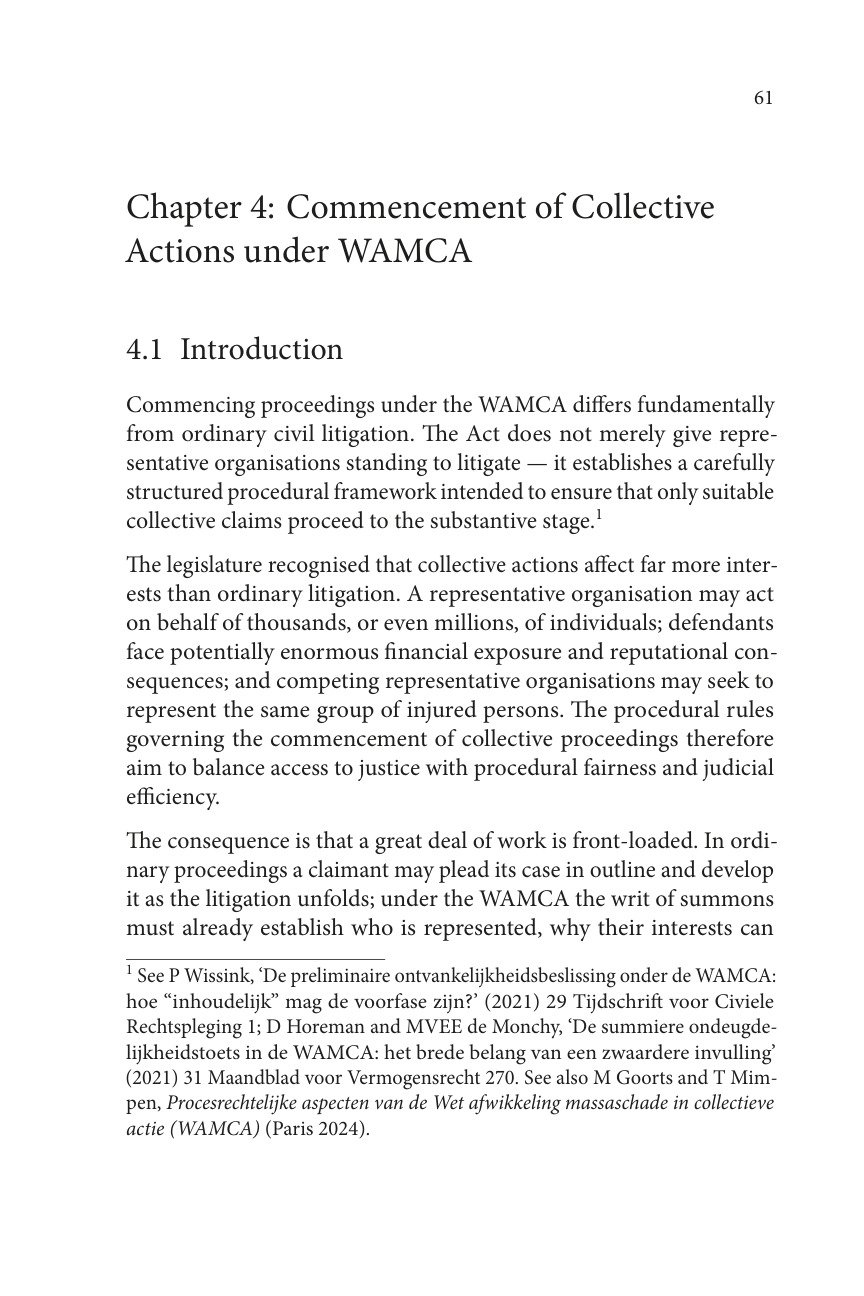
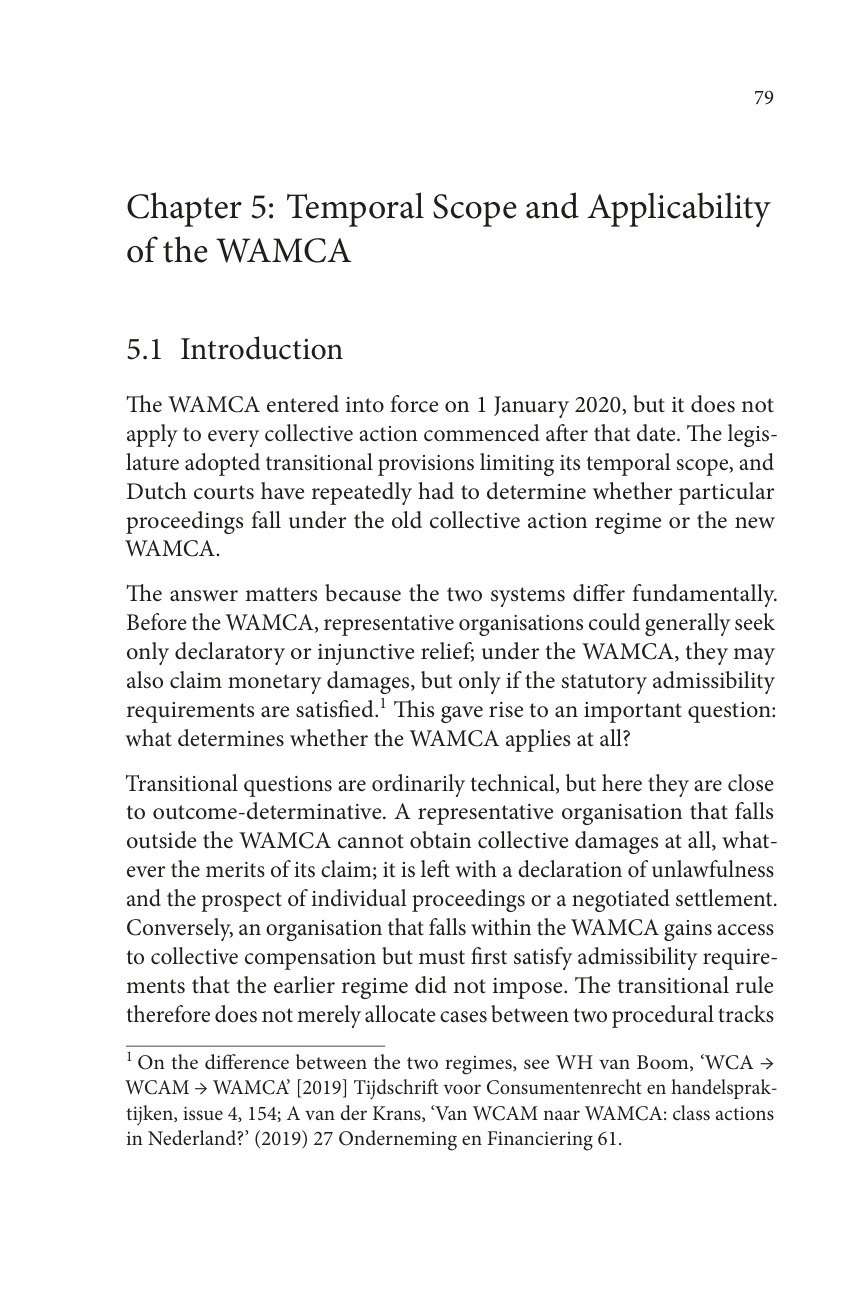
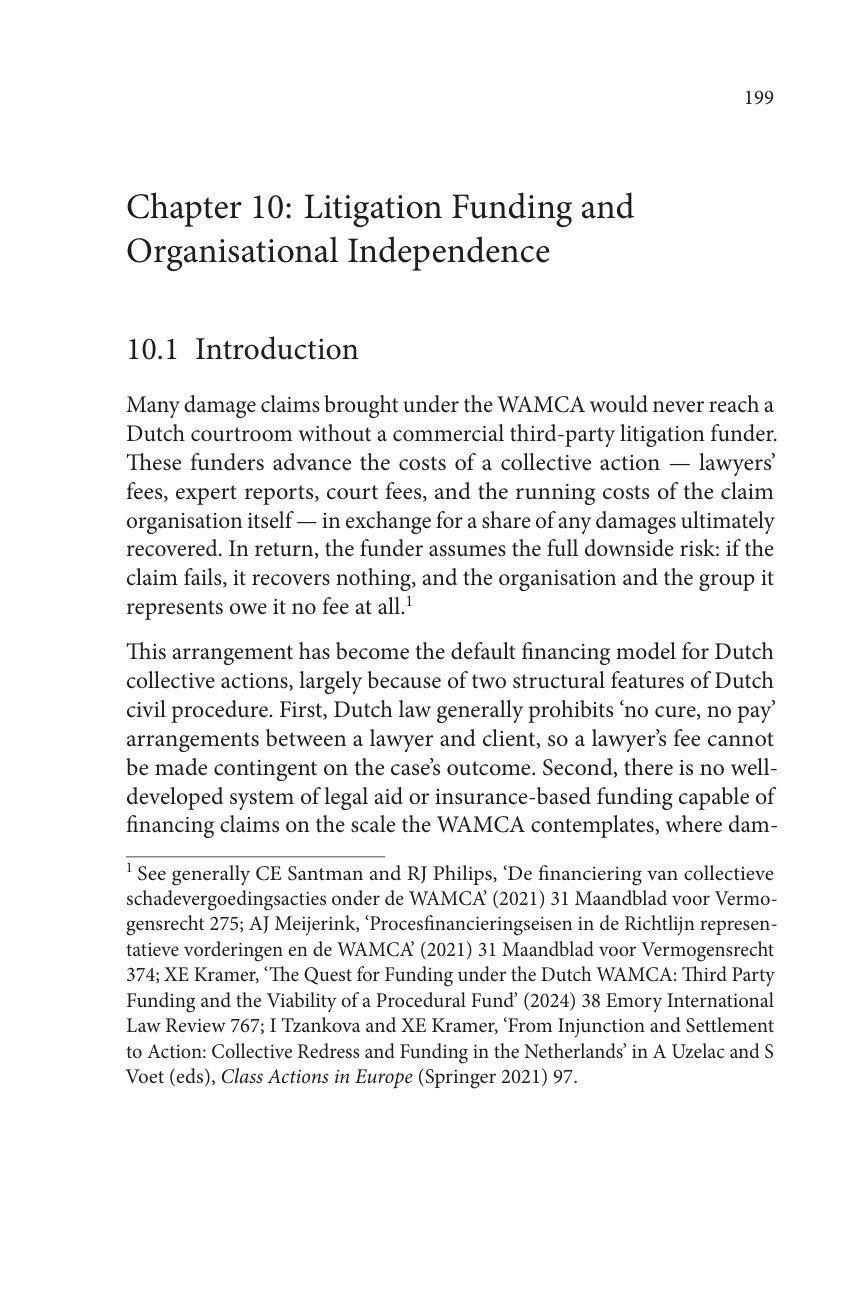
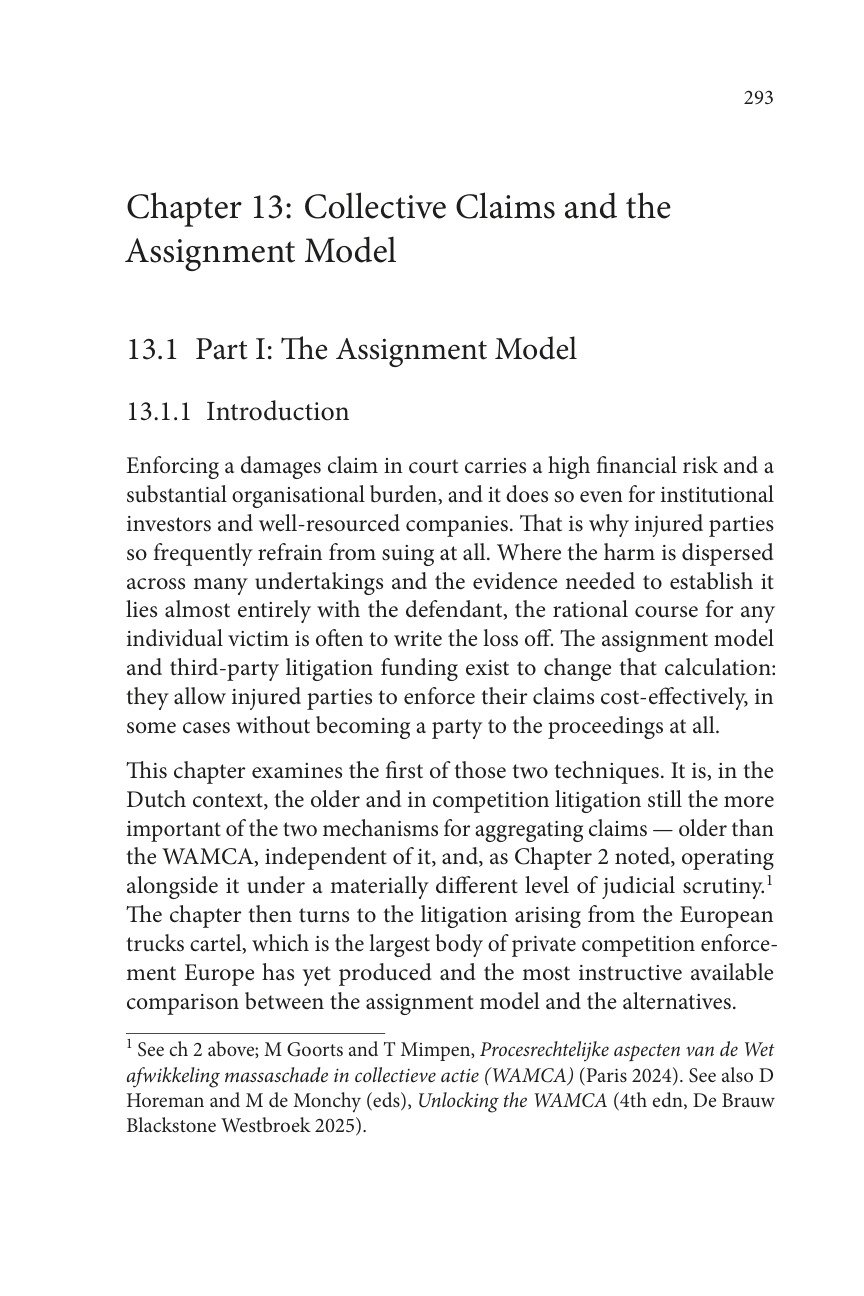
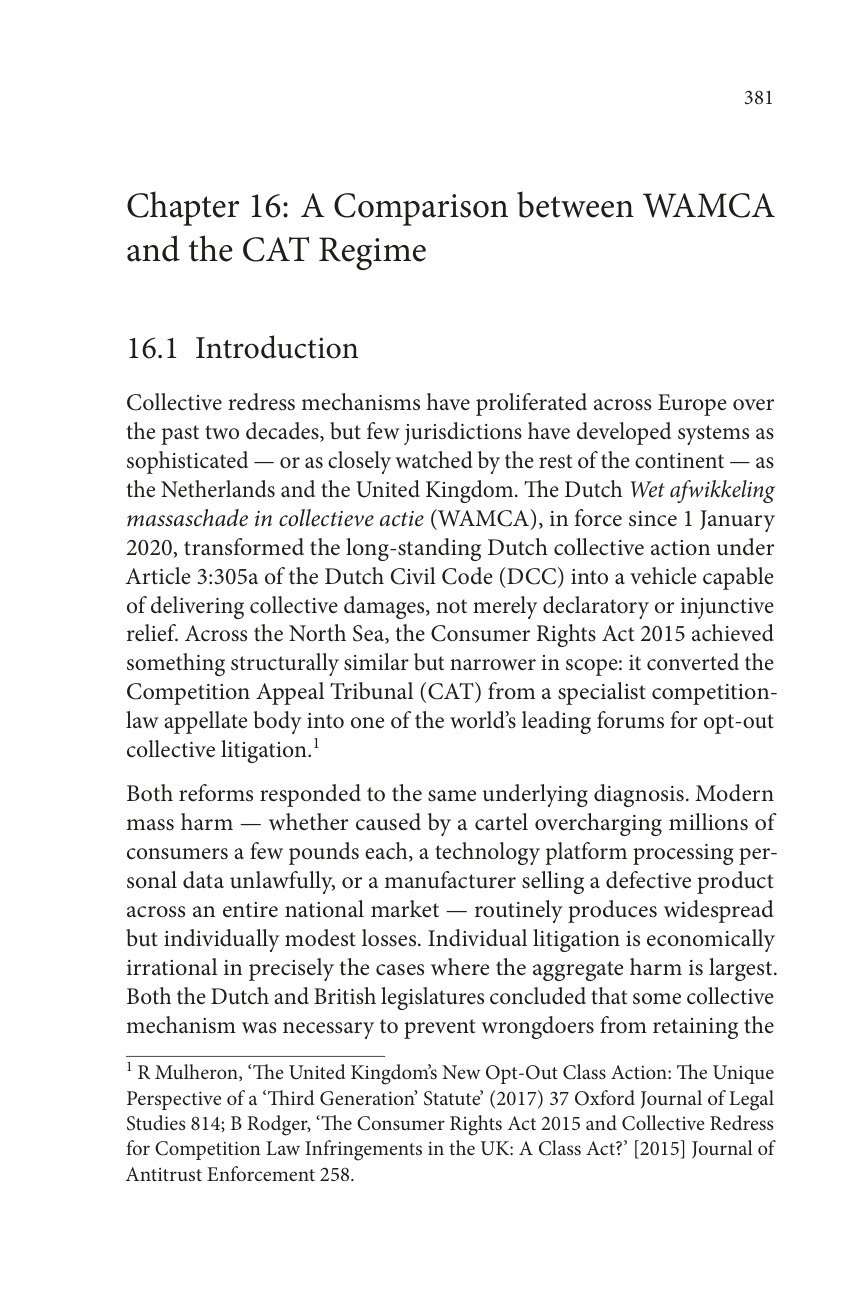
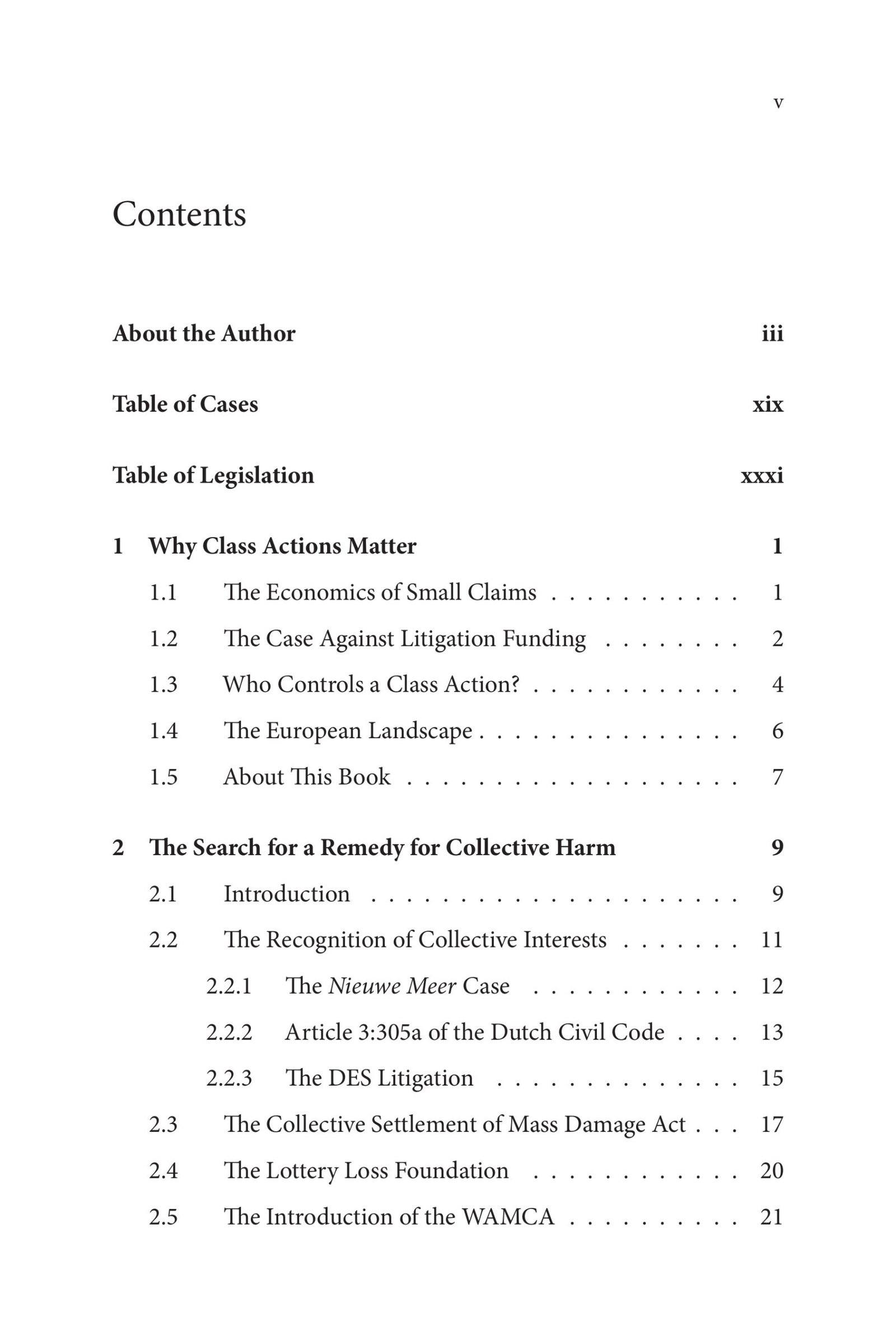
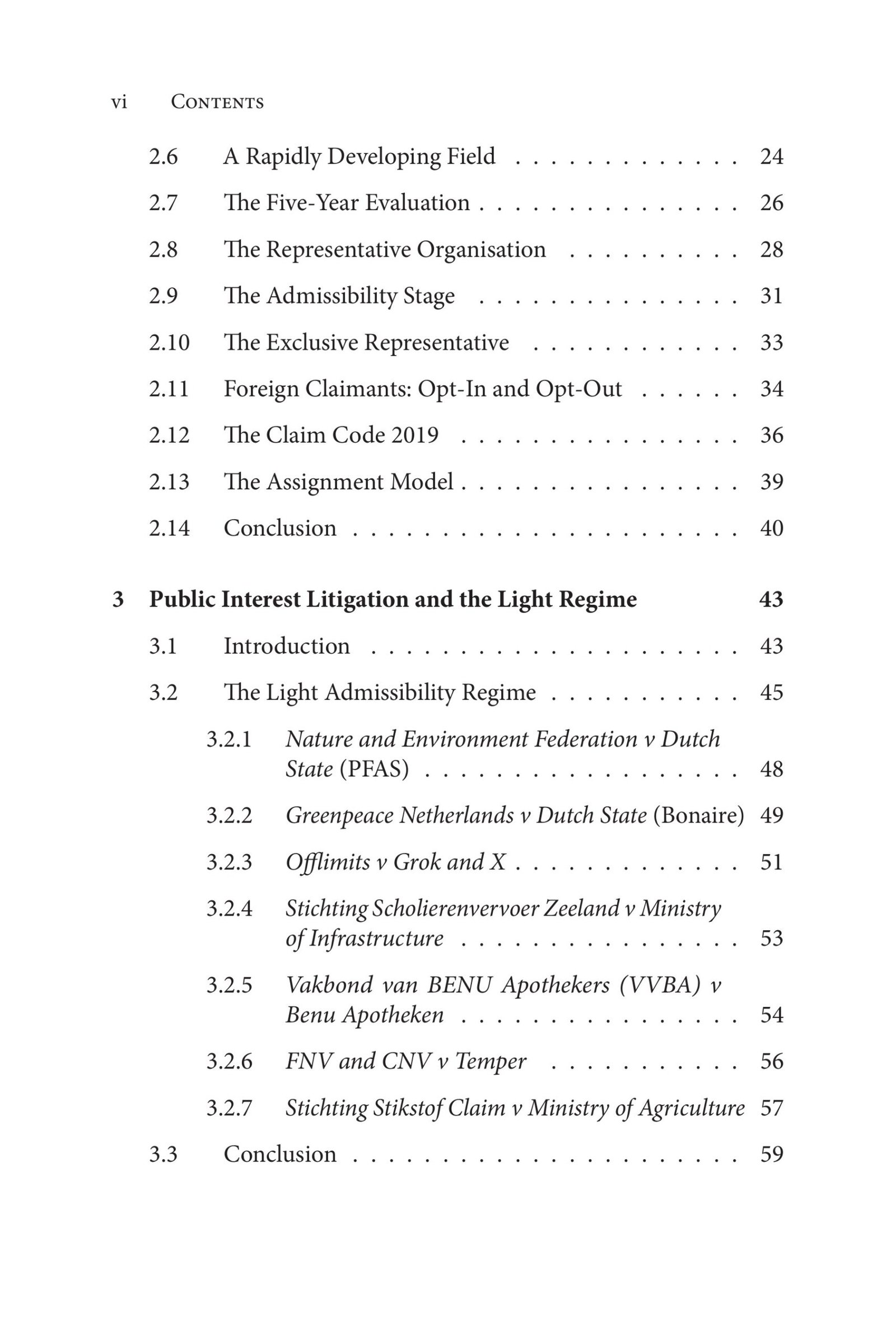
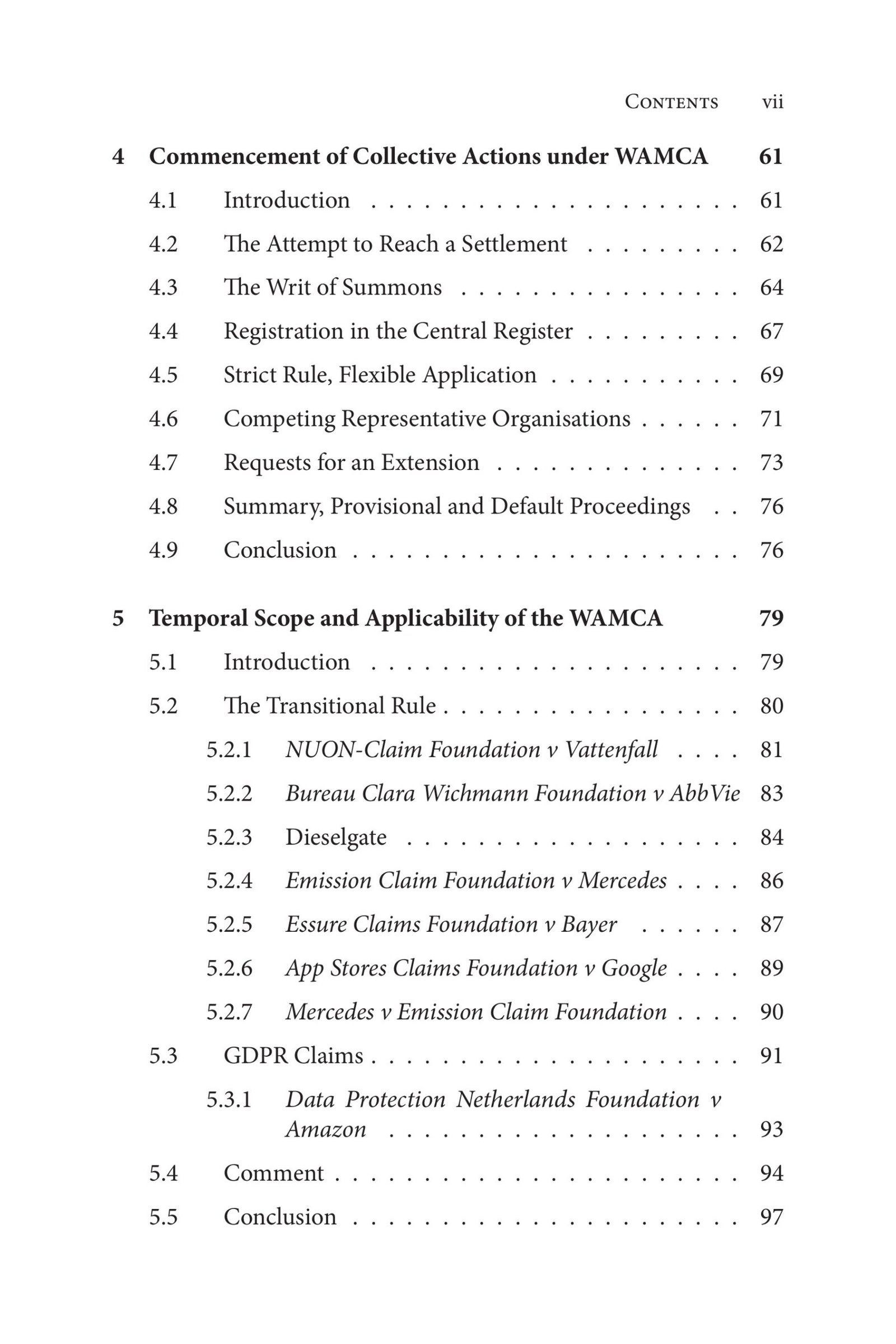
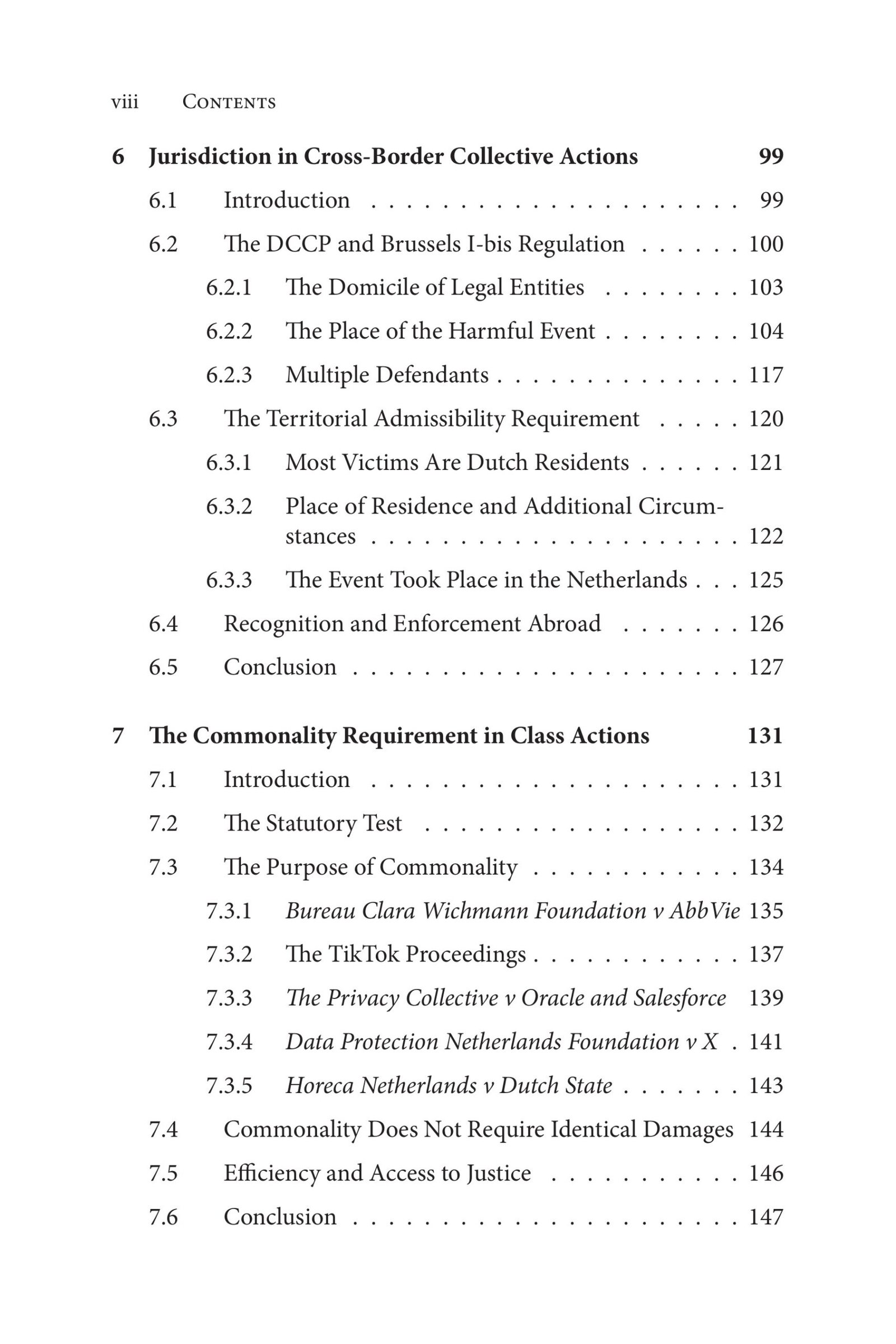
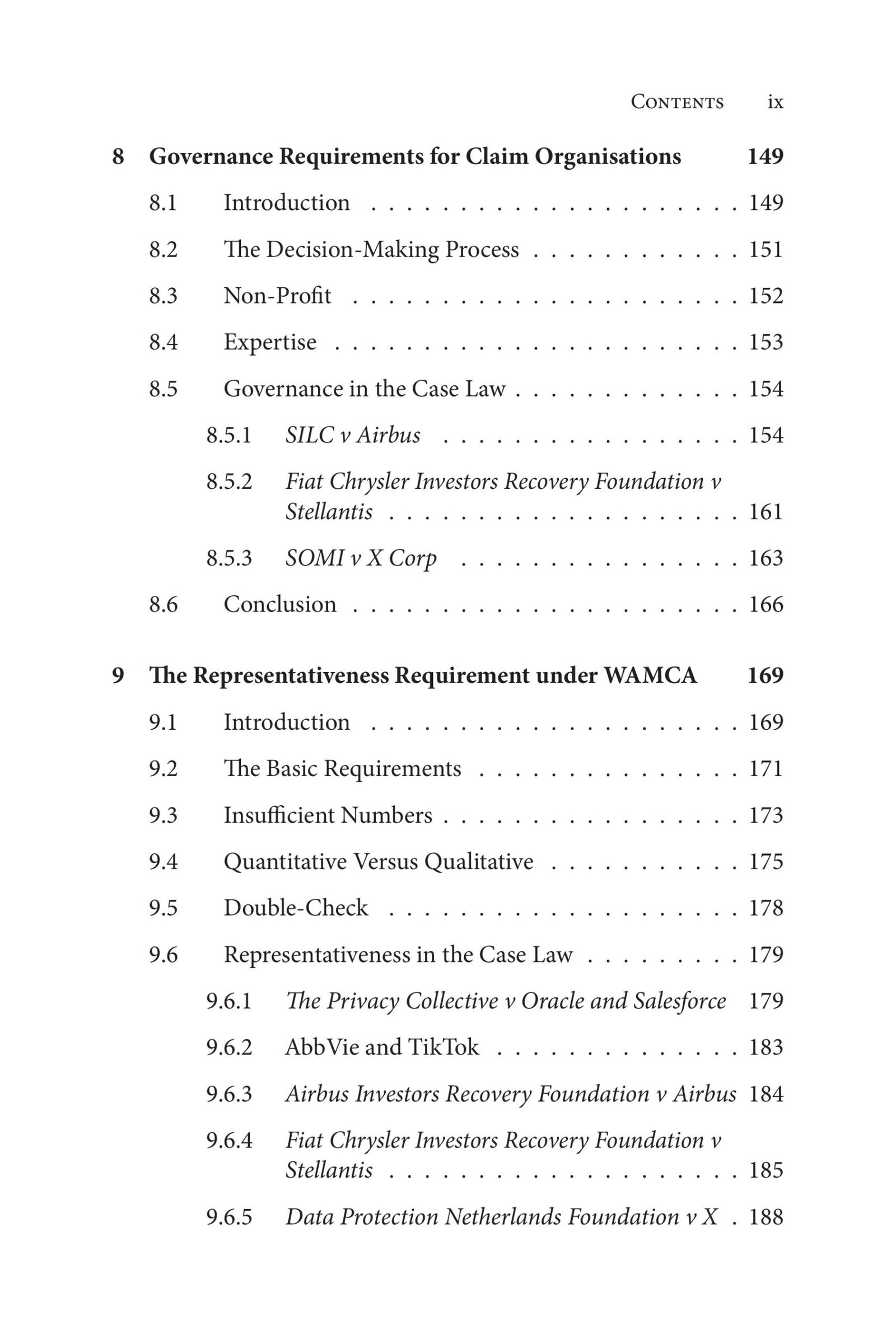
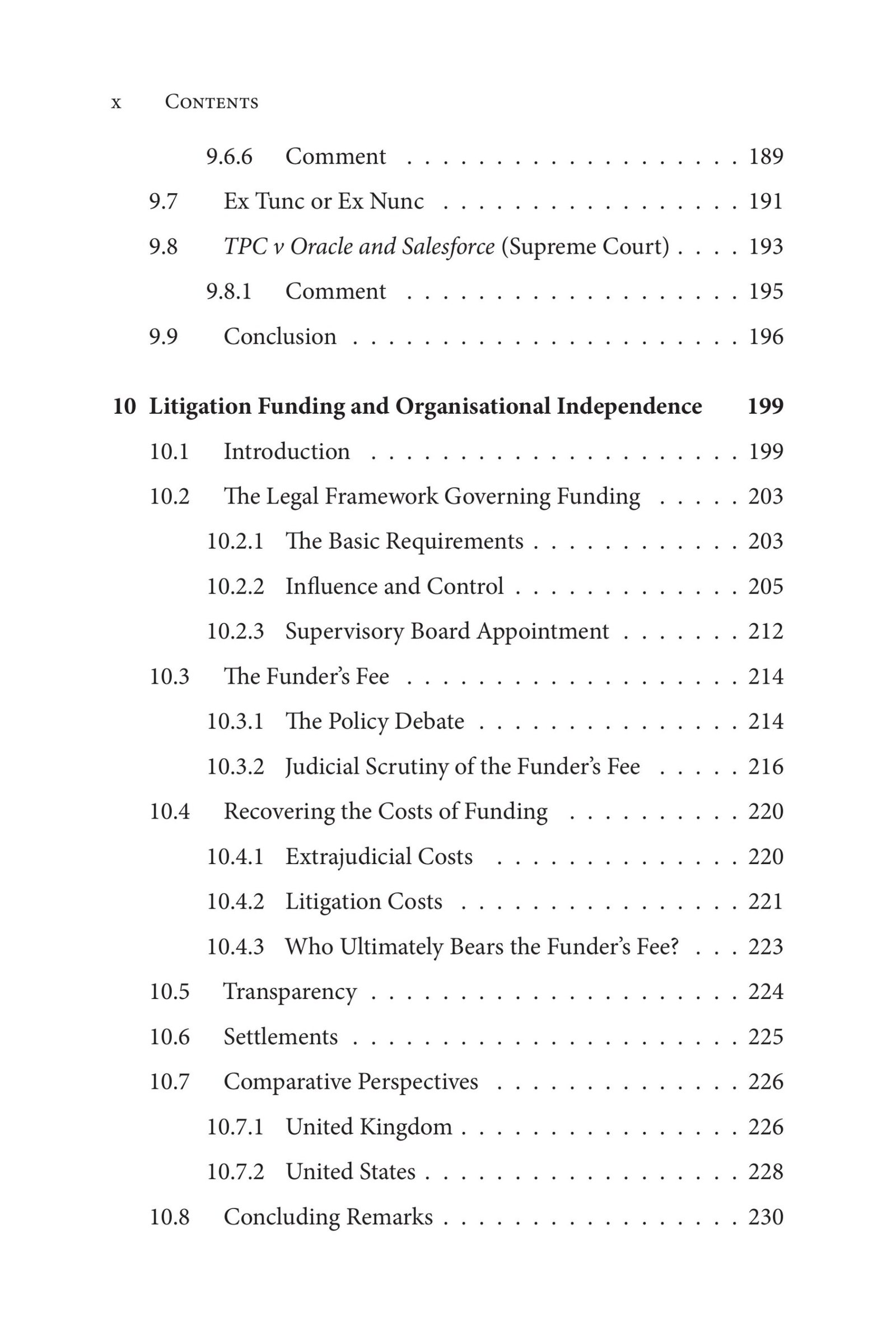
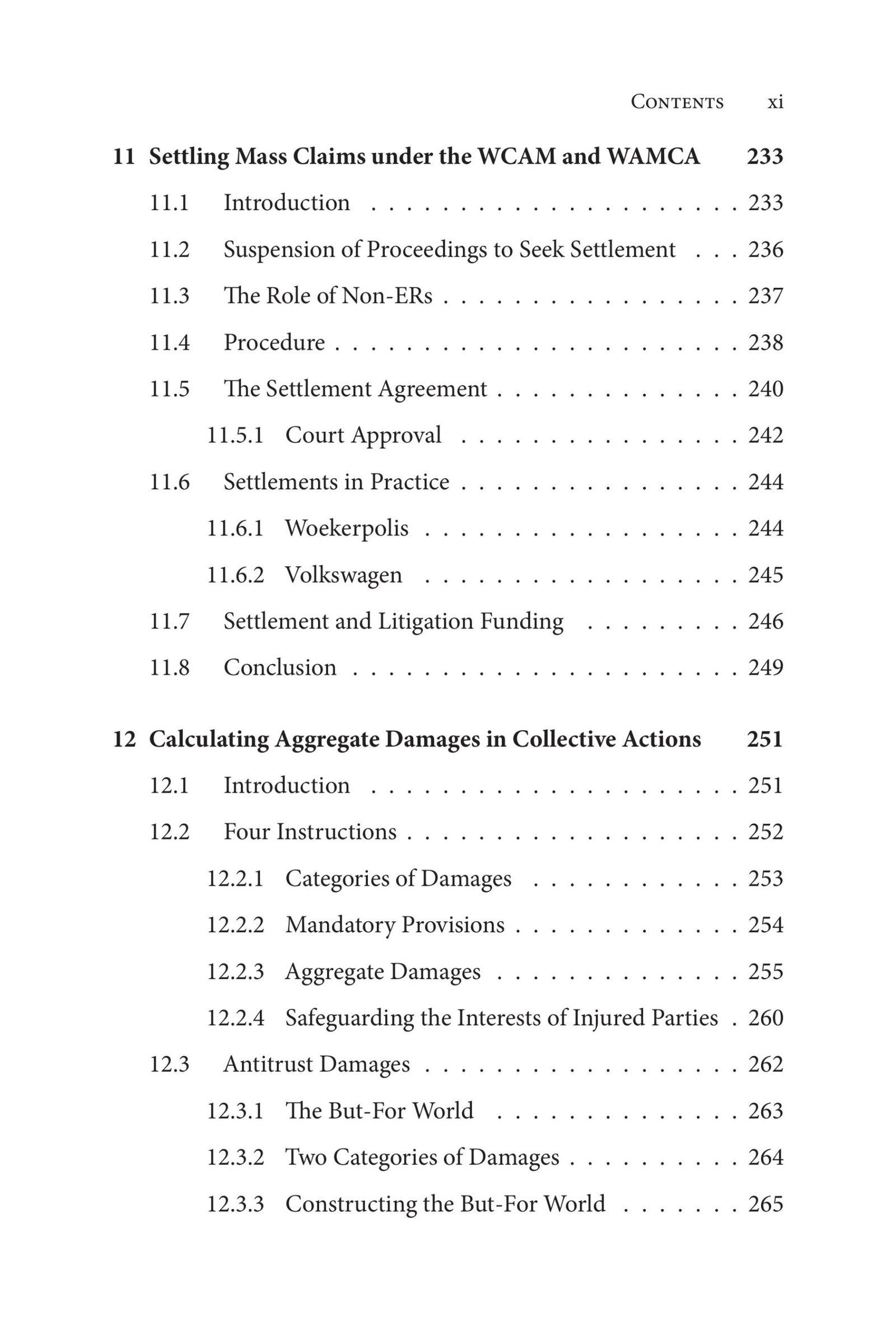
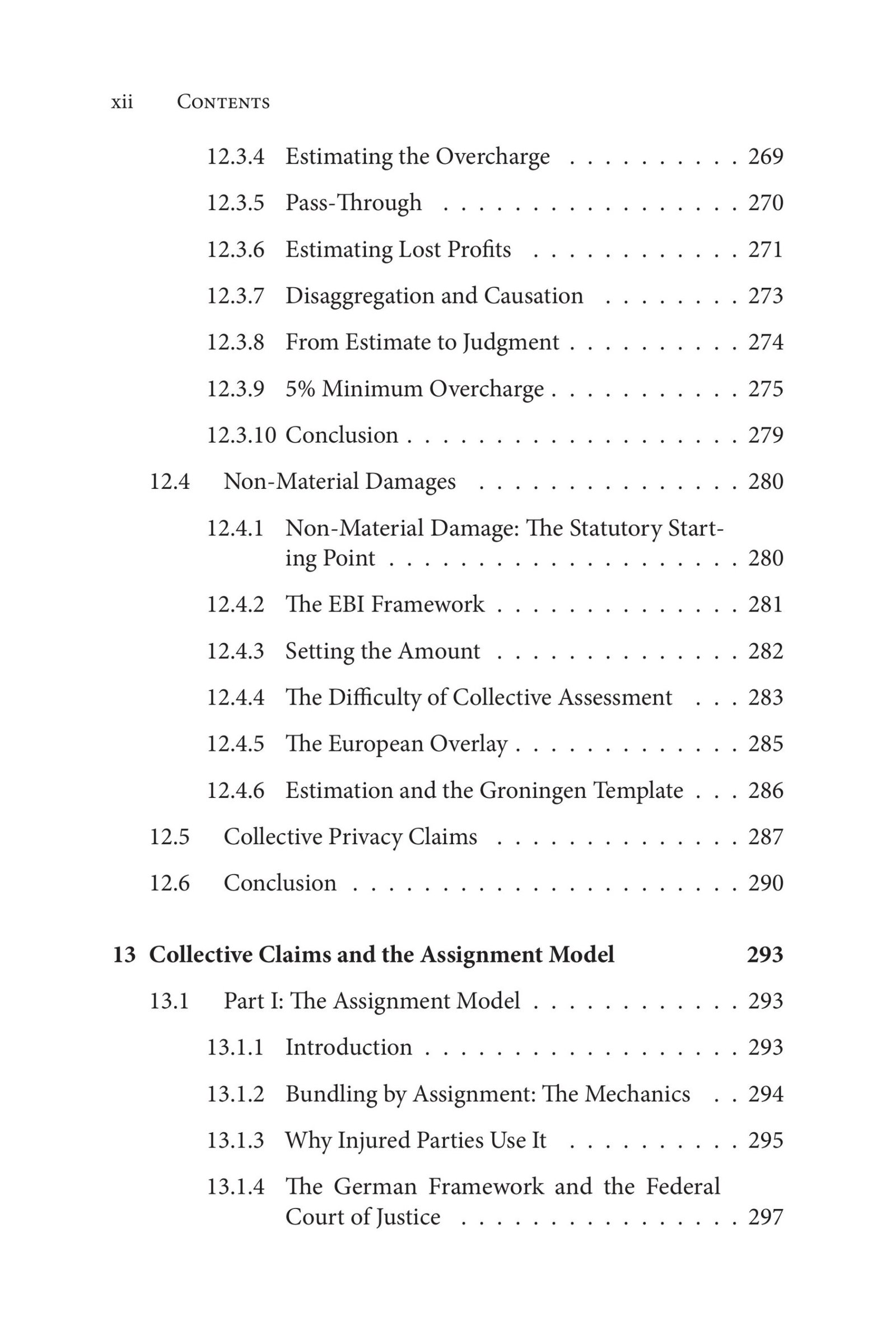
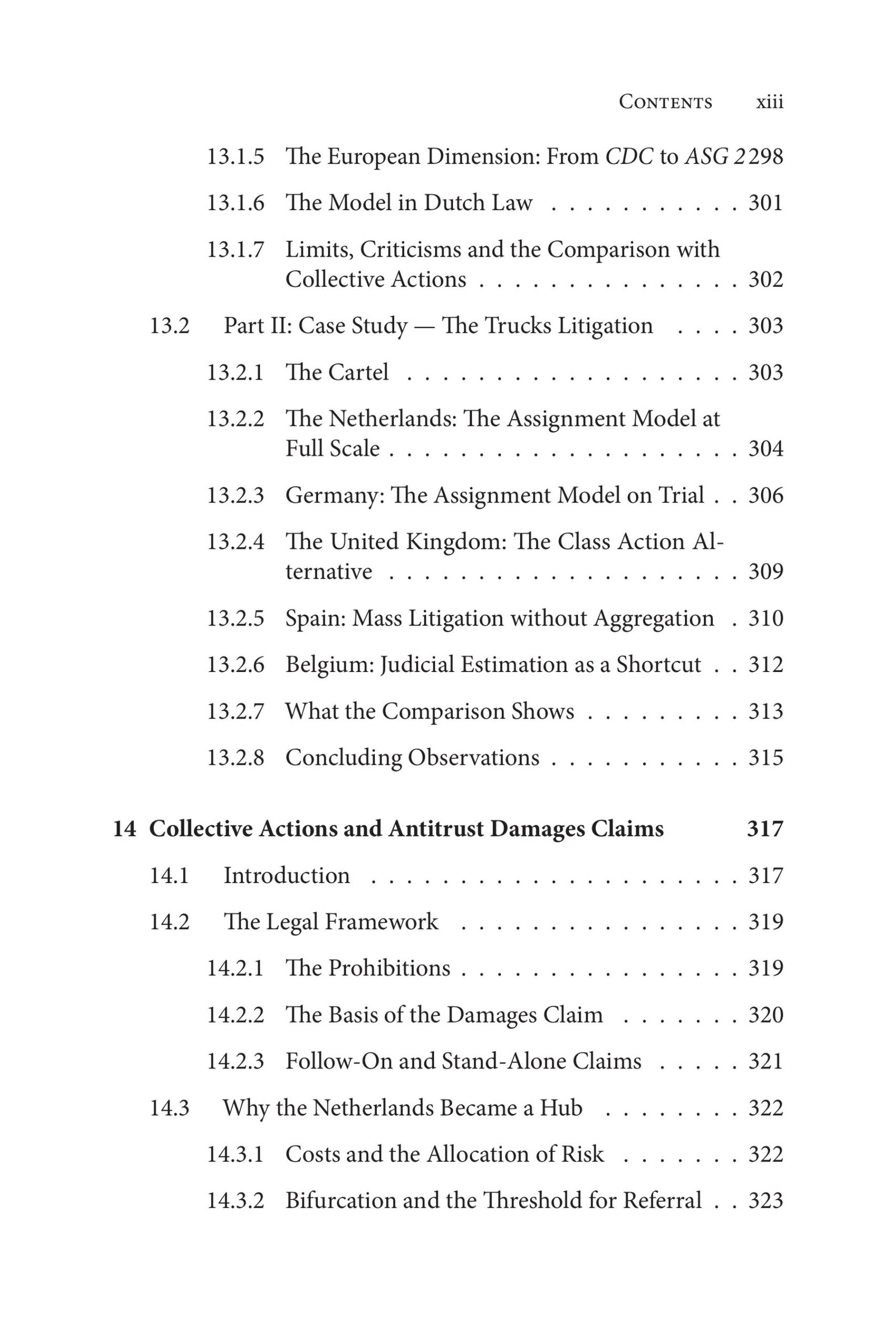
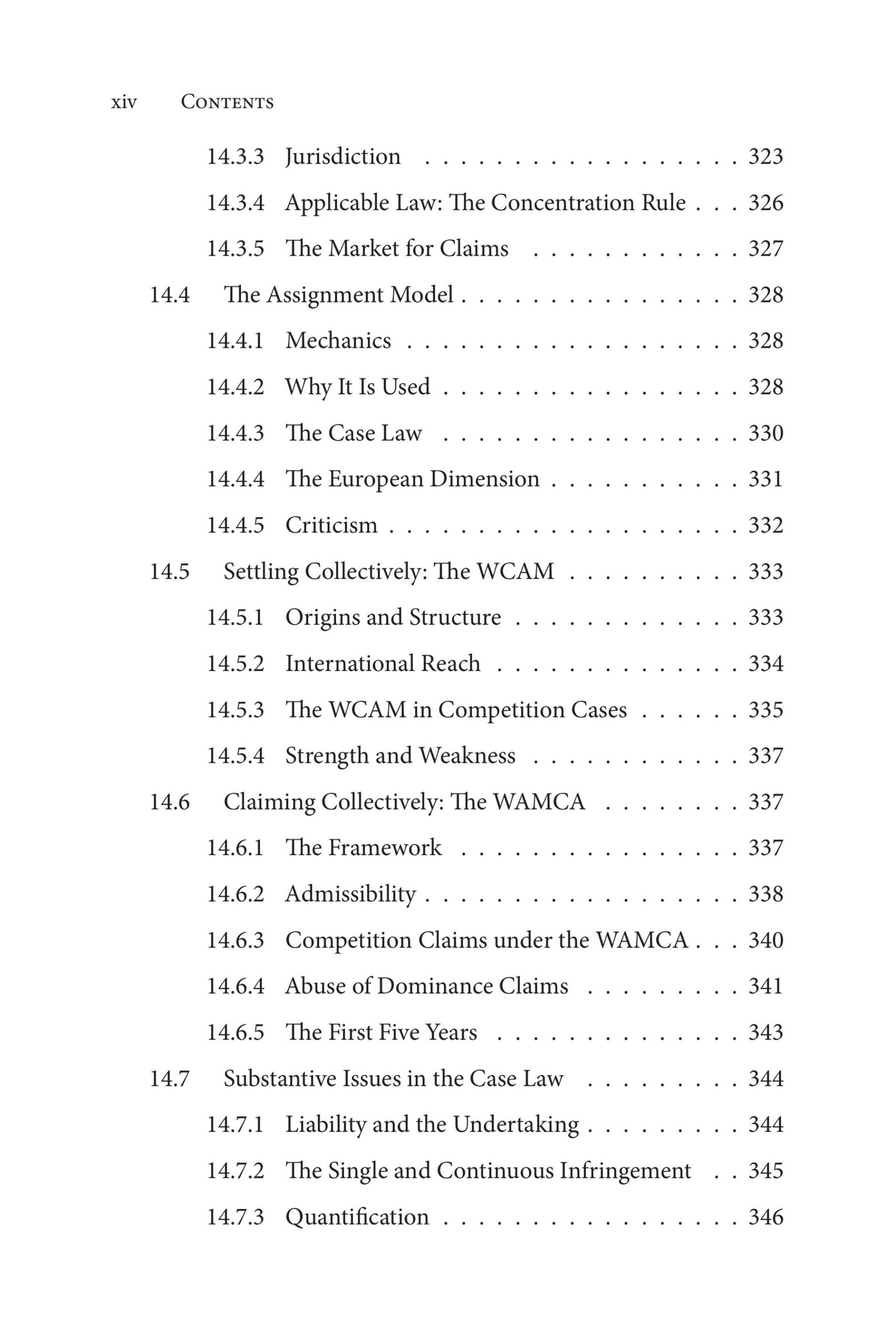
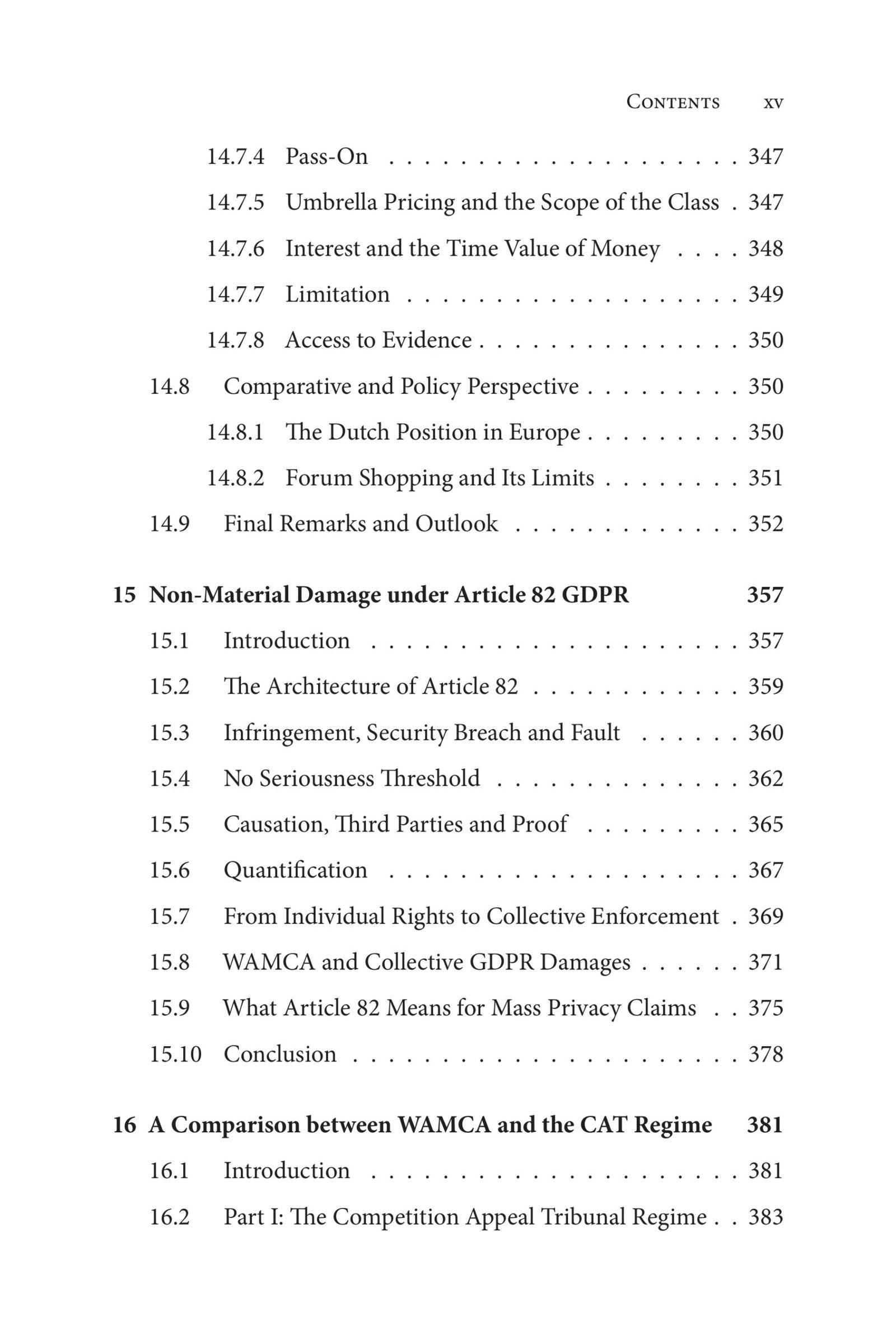
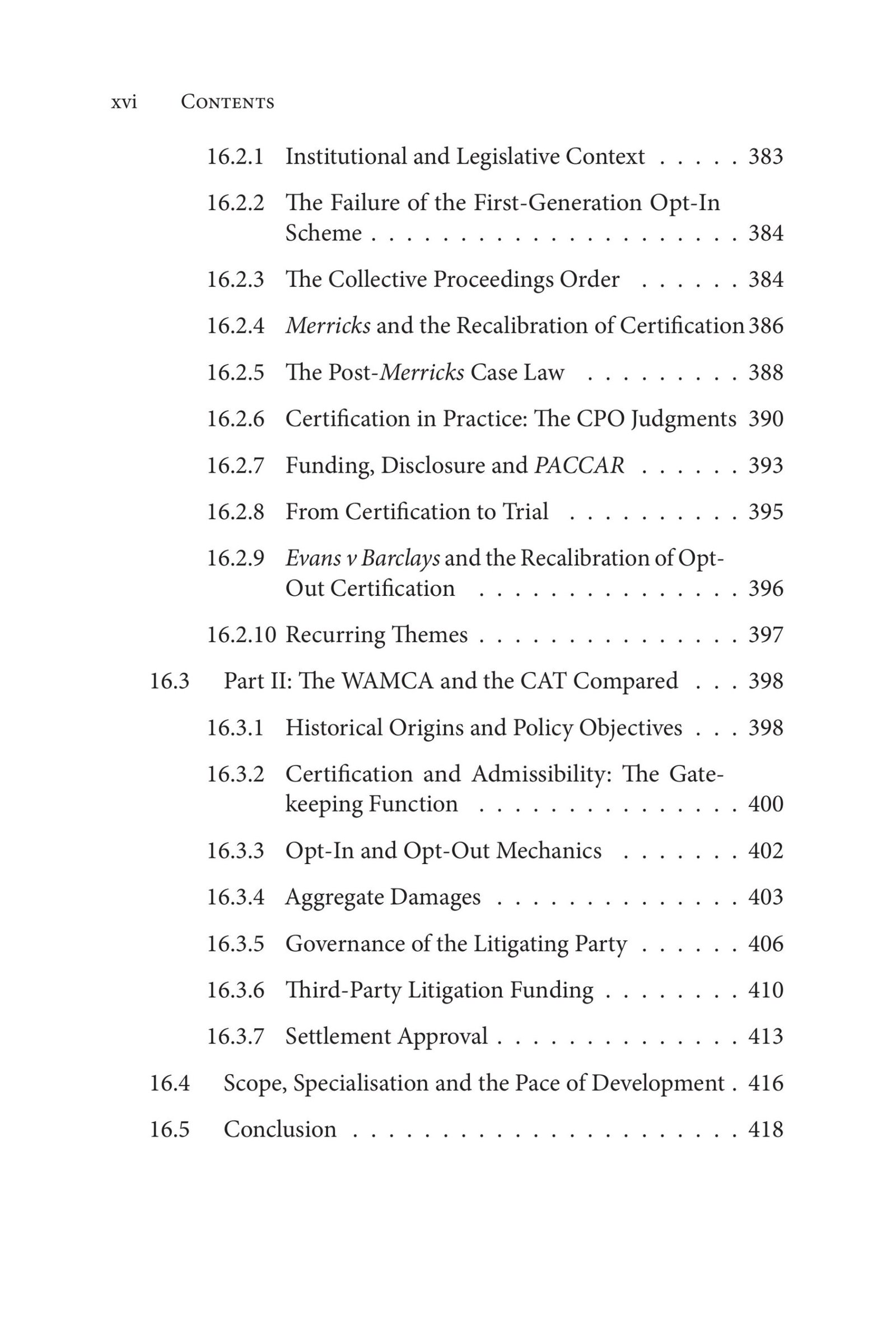
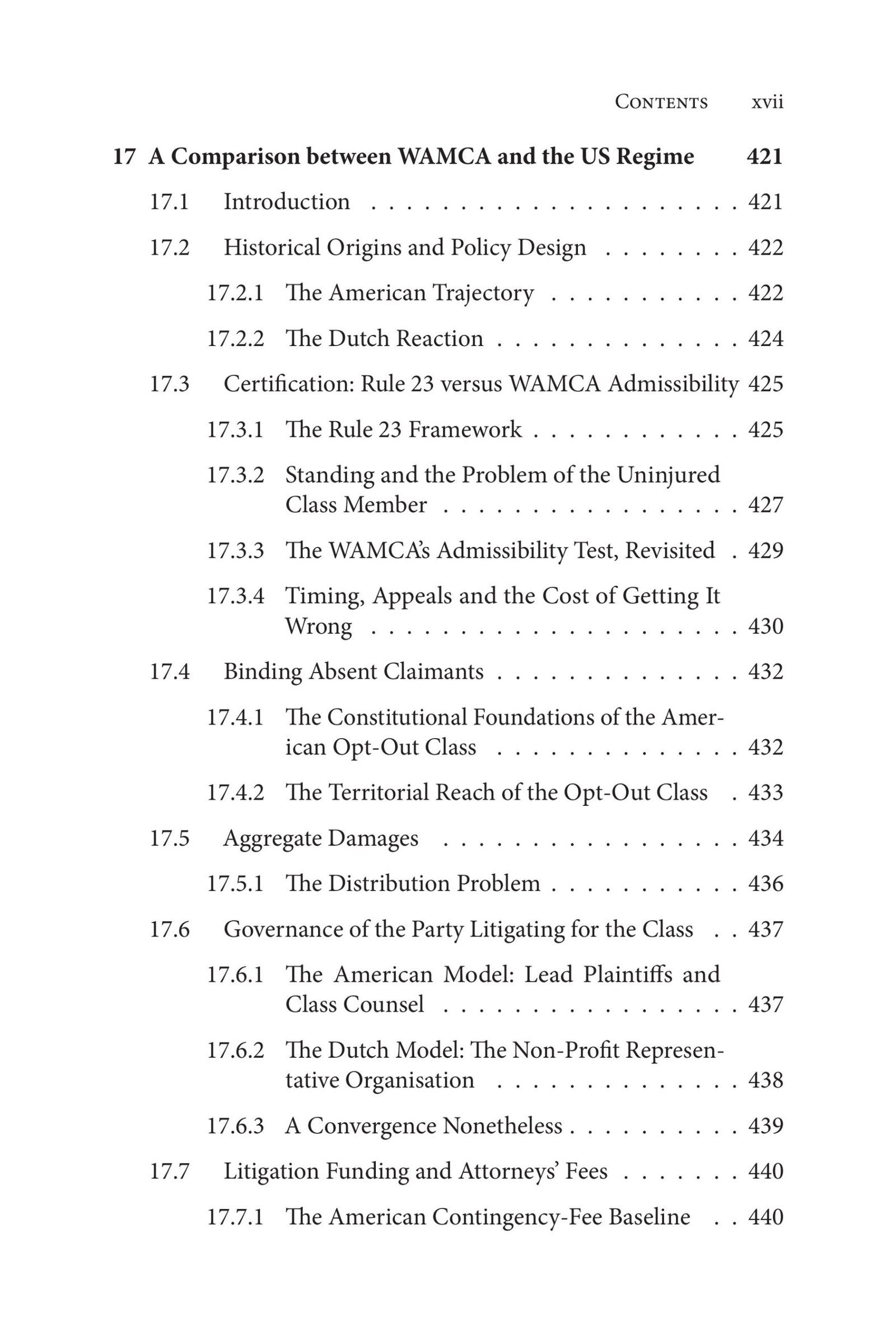
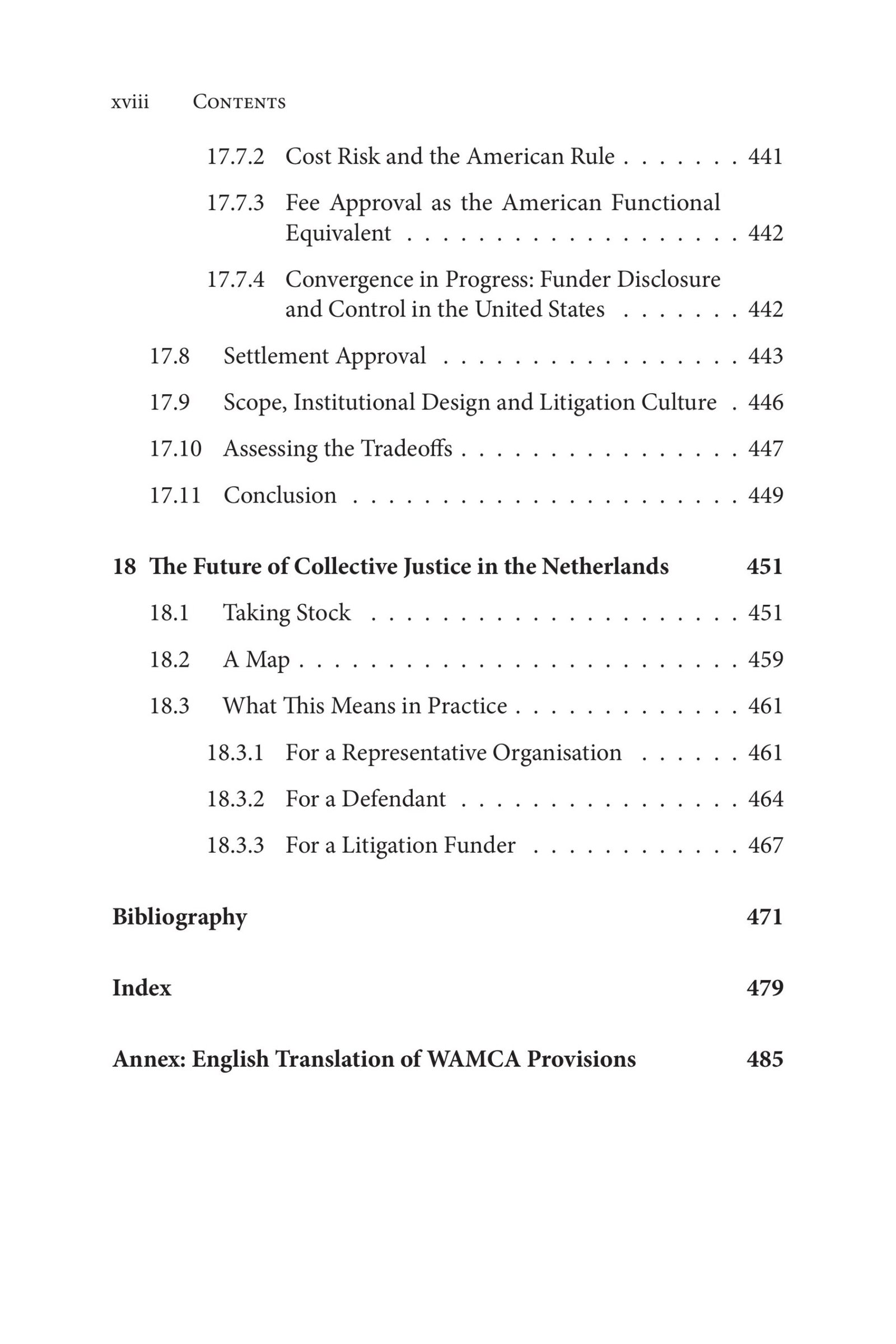
Explore selected pages from different chapters to get a closer look at the book’s content and layout. Click on any image to enlarge it.
Dr Kees Jan Kuilwijk is an attorney at Hagens Berman Sobol Shapiro LLP, with more than thirty years of experience in competition law and collective litigation. He has been involved in some of Europe’s largest antitrust damages proceedings and is currently working on several collective actions under the Dutch WAMCA. He holds a PhD, awarded cum laude, from the European University Institute in Florence and has published extensively on competition law and collective redress. He also serves on the Advisory Committee of Winward Litigation Finance.
Not at all. Although written as a legal reference work, the book is intended for a broader professional audience, including in-house counsel, litigation funders, claims organisations, economists, academics, regulators and policymakers. It explains not only the legal framework but also the economic and practical considerations that determine whether collective litigation can succeed.
The book covers Dutch collective redress law and case law through 30 September 2026, including the most important judicial developments since the introduction of the WAMCA in 2020. Readers who wish to remain informed about subsequent developments can subscribe to the Quarterly Updated eBook, which incorporates new judgments, legislative changes and other significant developments every three months.
Yes, extensively. Litigation funding is central to the operation of modern collective litigation. The book examines the financing of collective claims, the relationship between funders and representative organisations, permissible funding arrangements, funder remuneration and judicial supervision. It also considers how the Dutch approach compares with funding practices in the United Kingdom and the United States.
No. The entire book is written in English and is intended for an international readership. Dutch legislation and court judgments are explained in English, with references to the original legal sources. The appendices also include an English translation of the relevant statutory provisions, making the book accessible to readers unfamiliar with the Dutch language.
The book is available in three editions: a 526-page hardcover, a standard eBook in PDF and EPUB formats, and a Quarterly Updated eBook. All editions contain the complete text, including 18 chapters, case law analysis, statutory references and appendices. The quarterly edition is intended for professionals who need an up-to-date reference as Dutch collective litigation continues to develop.
The principal difference is who brings and controls the litigation. In the Netherlands, collective claims are brought by representative foundations or associations whose governance, independence, expertise and representativeness are examined by the courts. In the United States, class actions are generally initiated and conducted by plaintiffs’ lawyers, subject to judicial supervision. The book explains these institutional differences and compares the Dutch system with American class actions and collective proceedings before the UK’s Competition Appeal Tribunal.
Yes. The book systematically analyses the judicial decisions that have shaped Dutch collective redress since 2020, including proceedings involving major companies such as Apple, Google, Airbus, Stellantis and TikTok. Rather than merely summarising judgments, it explains their legal significance, identifies emerging trends and considers what they mean for future collective actions.
Yes. The book examines the economic and legal methods used to quantify damages suffered by large groups of consumers or businesses. Topics include aggregate damages, cartel overcharges, pass-on, counterfactual analysis and compensation for non-material harm under Article 82 GDPR. Particular attention is given to the difficulties of establishing and distributing compensation when individual losses are relatively small.
Dutch collective redress is still developing rapidly. Important judgments continue to clarify the rules governing admissibility, jurisdiction, funding and damages. The Quarterly Updated eBook provides a regularly revised reference work, incorporating significant new decisions and legislative developments every three months. It is particularly suitable for lawyers, funders, claims organisations and other professionals who need to follow the evolving case law without purchasing a new edition each year.
Still have a question? Ask your question here
Stay informed about important developments in Dutch collective redress. Our periodic newsletter highlights significant court rulings, legislative changes and other developments affecting collective litigation under the WAMCA.
We don’t share your personal information with anyone or company. Check out our Privacy Policy for more information.
 Insights
Dutch law asks a question that British collective procedure does not: how many of the people a claimant represents actually support it? The CAT asks instead whether the representative is adequate. That difference shapes how claims are built and what they cost.
Read More Insights
Absent class members cannot monitor whoever litigates for them, and that party usually depends on a funder. Both regimes respond with governance scrutiny: the Dutch courts examine an institution, the CAT a person.
Read More Insights
Every collective regime must decide when claims are alike enough to be tried together. The Dutch and British answers share a premise: identical claimants are not required. They differ in where the scrutiny falls.
Read MoreThe 536-page book is offered in three formats: a traditional hardcover, a convenient eBook and a continuously updated digital edition incorporating the latest legal developments every quarter.
Have a question about the book, its different editions, or the ordering process? We’re happy to help with enquiries about the content, availability, purchasing and delivery. Simply use the contact form below to get in touch.
128 City Road
London EC1V 2NX
United Kingdom
09:00AM to 06:00PM